
2 active licenses
Colorado LCSW and Minnesota LICSW
Over 10 years of clinical experience across the mental health continuum
Licensed Independent Clinical Social Worker and Licensed Clinical Social Worker
Colorado LCSW · Minnesota LICSW
I combine my educational background in the Catholic intellectual tradition, the clinical education I obtained during my Master of Social Work program, and my clinical experience at every level of the mental health continuum. We start with what you are carrying, then build a practical direction together.
Book a Free 15-Minute Consultation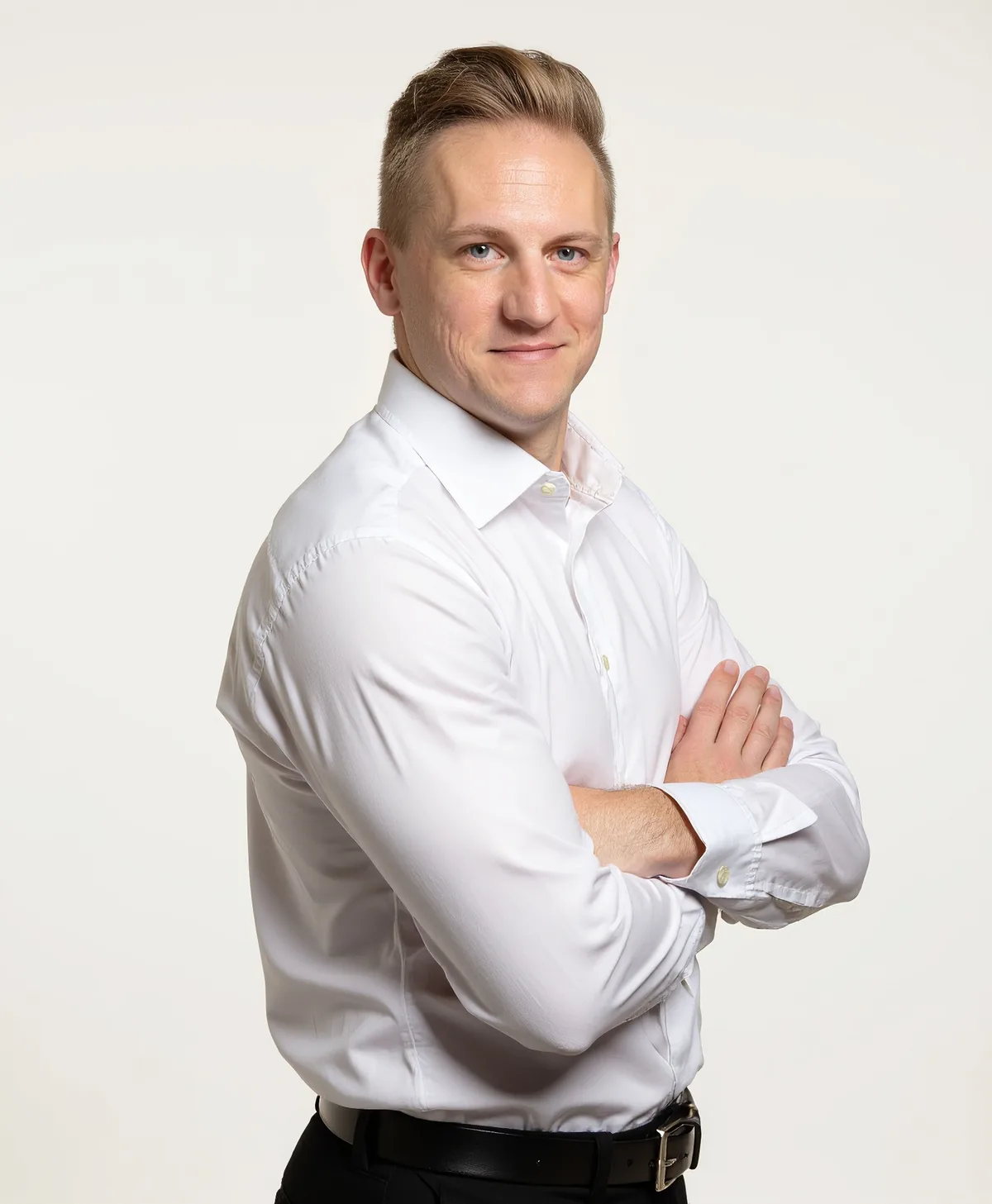
Colorado + Minnesota telehealth
Professional background
Andrew provides affirming, culturally sensitive, evidence-based, trauma-informed counseling. His clinical experience across systems informs how he meets each client where they are. Andrew believes that each client’s story and challenges are unique, and as such, strives to provide unique, tailored care.
Colorado LCSW and Minnesota LICSW
Professional experience at every level of mental healthcare
Specialized Cognitive Processing Therapy training
Statewide telehealth across Colorado and Minnesota
Credentials you can verify
Counseling is currently offered by telehealth only, while clients are physically located in Colorado or Minnesota.
Minnesota
Licensed Independent Clinical Social Worker
Minnesota Board of Social Work
Colorado
Licensed Clinical Social Worker
Colorado Department of Regulatory Agencies, State Board of Social Work Examiners
Who I work with
How I approach the work
I believe counseling works best when it is collaborative, practical, and grounded in respect for the person sitting with me. You bring your history, priorities, questions, and ways of making sense of life; I bring professional training, careful listening, and a commitment to understanding your perspective. I do not assume that one explanation or one method will fit everyone. Together, we can clarify what has been weighing on you and consider what kind of support fits your goals.
I also believe you do not have to wait until a situation feels unbearable to talk with someone. People often keep functioning at work, show up for family, and carry responsibilities while privately feeling anxious, disconnected, exhausted, stuck, or uncertain about what comes next. Reaching out can be a thoughtful way to make room for your own experience. Counseling is not a judgment about your strength, and you do not need to prove that your concerns are serious enough before beginning a conversation.
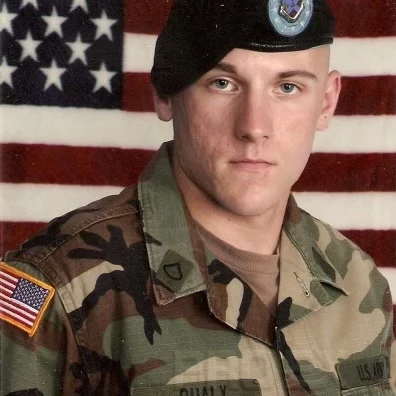
My work is informed by my experience as a U.S. Army combat veteran of the Iraq War, as well as my educational background at the University of St. Thomas in St. Paul, Minnesota. As a Master of Social Work student, I completed specialized training in the University of St. Thomas’s Area of Emphasis in Military Practice (AEMP) program. I make room for the parts of work and service that can be difficult to explain, including changes in identity and purpose, occupational stress, sleep challenges, grief, relationship strain, and the pressure to keep going.
I have also worked at every level of healthcare in the United States, including hospital experience in an emergency department, intensive residential treatment settings, crisis stabilization, partial hospitalization and intensive outpatient group programming, and outpatient community care settings. That experience has enabled me to work in many interdisciplinary settings alongside doctors, nurses, psychologists, fellow therapists, case managers, peer support specialists, and others.
I have seen the many challenges facing the healthcare system and the people who provide the care, as well as the challenges facing populations such as military members, veterans, first responders, fire, EMS, frontline healthcare workers, and individuals facing the grind associated with everyday life. This background informs how I listen to adults, veterans, military community members, first responders, public safety professionals, and healthcare professionals, while recognizing that every person's story is different.
I use evidence-based approaches in a flexible way. Cognitive Behavioral Therapy can help us look closely at the connection among thoughts, emotions, and actions. Dialectical Behavior Therapy can offer practical skills for managing intense emotions and navigating relationships. Acceptance and Commitment Therapy can support attention to values and meaningful choices. Mindfulness-Based Therapy can help you notice present-moment experience with greater steadiness. I have specialized training in Cognitive Processing Therapy for trauma and PTSD, and I will explain any approach we consider in clear, everyday language so you can make informed choices.
I want our work to be a place where you can speak honestly without having to perform, minimize, or organize your experience perfectly. I will ask questions, reflect what I am hearing, and invite your feedback about the pace and direction of counseling. If something does not feel useful or does not fit, I want us to be able to talk about that directly. Trust can develop over time, and I respect that it may take more than one conversation to feel comfortable.
My role is not to tell you who you should be or to make decisions for you. My role is to help you understand your experience, identify what matters to you, practice skills that may support day-to-day life, and consider next steps with care. We can make space for both immediate concerns and deeper patterns, while staying attentive to what feels manageable.
What shapes the work
My experience as a combat veteran and healthcare worker helps me understand the culture of service, while making space for your unique story.
I am licensed in Colorado and Minnesota and practice within clear professional, ethical, privacy, and scope-of-care standards.
Sessions can draw from CBT, DBT-informed skills, ACT, CPT, and mindfulness according to your goals, preferences, and clinical needs.
Meet by secure telehealth when you are physically located in Colorado or Minnesota. In-person sessions are not offered at this time.
What working together can look like
I begin by learning what brought you to counseling and what you would like to be different, clearer, or more supported. You can share as much context as feels comfortable, and you do not need to tell your entire story all at once. We can discuss the concerns affecting your daily life, relationships, work, sleep, sense of purpose, or ability to feel present. I will also answer questions about how I work and talk with you about whether my approach seems like a reasonable fit.
The first conversation is a chance for mutual understanding, not a test you have to pass. I will listen for your priorities and explain possible directions in plain language. If trauma or PTSD concerns are part of what brings you in, we can discuss pacing and what helps you feel grounded before considering more focused work.
In ongoing counseling, sessions may include reflection, education, skill practice, and careful attention to patterns that are getting in the way of the life you want. Depending on your concerns, we might examine unhelpful thought patterns, work with emotional regulation skills, clarify values, practice mindfulness, or use the structured elements of Cognitive Processing Therapy. We will connect the work to situations that matter to you rather than treating therapy as an abstract exercise.
I will encourage an active partnership, but you remain the decision-maker about what we explore. Some sessions may feel focused and practical; others may need more room for grief, uncertainty, or a difficult experience. Progress is not always linear, and we can revisit the plan as your needs change. The frequency and length of counseling depend on your concerns, goals, preferences, and circumstances, so I will avoid making assumptions or promises about a fixed timeline.
I aim to balance honest conversation with a pace that feels workable. We can acknowledge difficult material without rushing past your readiness, and we can notice moments of steadiness or possibility without forcing a positive outlook. If you are unsure whether counseling is right for you, that uncertainty is welcome in the conversation. Asking questions and taking time to decide are valid parts of seeking care.
I currently provide counseling by telehealth only. Telehealth counseling is available statewide in Colorado and statewide in Minnesota. When you are ready to discuss fit, format, or next steps, you can use the contact page to start the conversation. If you are experiencing a mental health crisis, please contact the 988 Suicide & Crisis Lifeline at 988, call 911, or go to the nearest emergency room.
A grounded next step
Bring your questions, uncertainty, or the part of the story that feels most important now. We can begin there.