
Anxiety can feel like your mind is always scanning for the next problem. You may replay a conversation, predict what could go wrong, or find it hard to set a worry down even when you know there is nothing more to solve right now. Overthinking can make ordinary choices feel unusually heavy. Deciding what to say, whether to go, or which option is safest may use more energy than the decision itself.
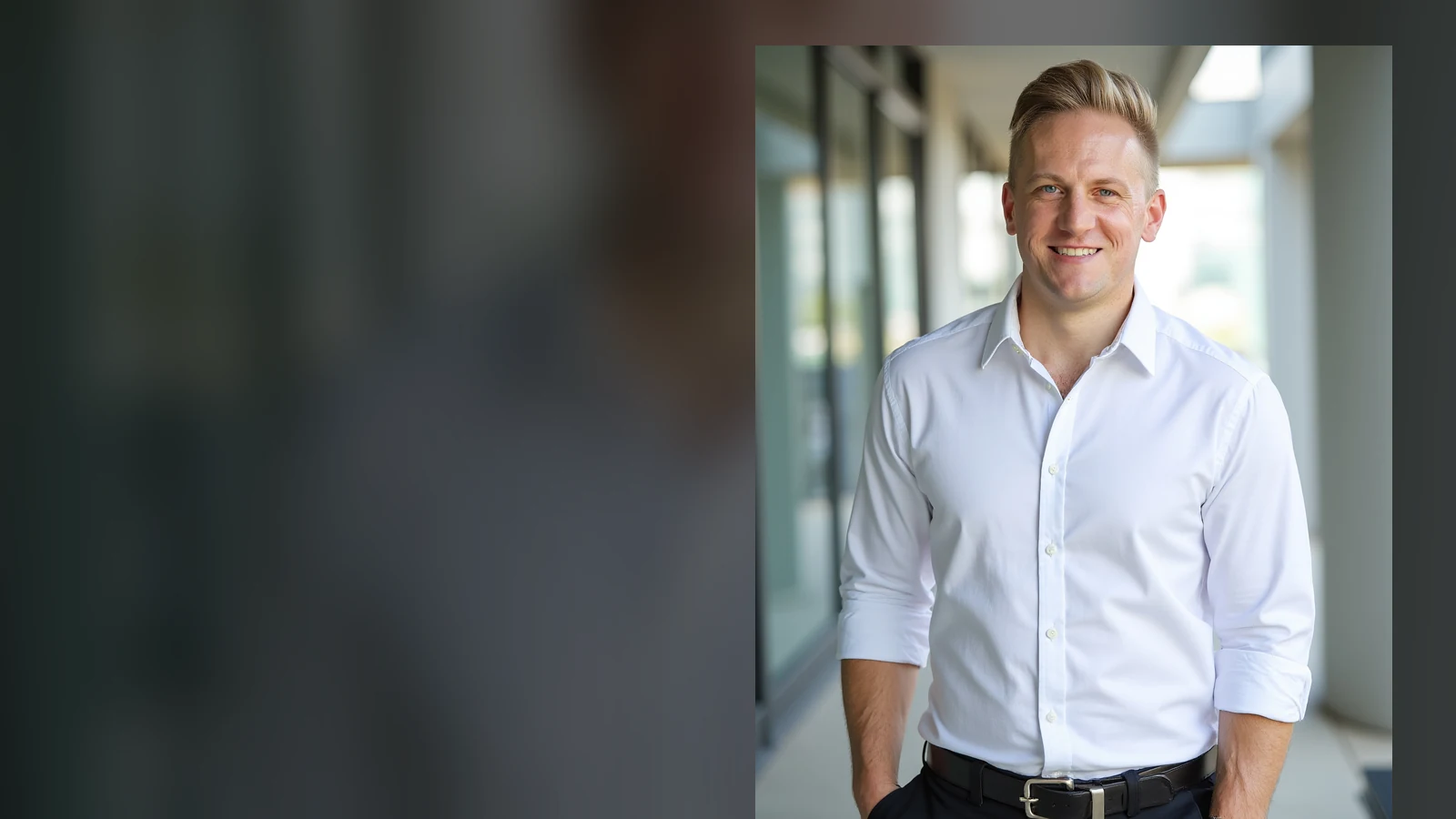
Counseling for adults in Colorado and Minnesota
Anxiety Counseling
Support for persistent worry, overthinking, physical tension, sleep difficulty, avoidance, irritability, decision fatigue, and panic-like experiences connected to work, service, relationships, or change.
Colorado LCSW CSW.09930255
Minnesota LICSW 27721
Colorado + Minnesota Telehealth
Adults 18+
Written by Andrew Qualy, MSW, LICSW, LCSW · Reviewed September 2026
01
When worry starts shaping your days
Your body may carry the strain, too. Physical tension can show up in a tight jaw, tense shoulders, a restless stomach, a racing heart, shallow breathing, or difficulty settling at night. You might be tired but unable to sleep because thoughts keep returning. After a poor night, irritability and low patience can make work, service responsibilities, relationships, or family life harder to navigate. These experiences can affect concentration without being obvious to people around you.
Avoidance sometimes offers a short break from discomfort. You may postpone an email, skip a gathering, avoid a difficult conversation, or stop trying something important because imagining it feels overwhelming. Panic-like experiences can add fear of the sensations themselves, especially when a sudden wave of fear, breathlessness, dizziness, or pounding heartbeat seems to arrive without warning. Anxiety connected to military or public safety service may also be shaped by constant responsibility, transitions, or experiences that are difficult to leave at work.
Change can bring anxiety even when the change is wanted. A new role, relationship shift, move, separation, health concern, or uncertain future may leave you feeling pulled between moving forward and protecting yourself. In Denver, a demanding job, service schedule, or busy home life can make it easy to keep functioning while privately feeling stretched thin. You do not have to describe your experience with a diagnostic label to talk about what is happening.
02
How counseling at Forge may help
I begin by listening for the specific pattern your anxiety is taking: what tends to set it off, what your mind predicts, what your body does, and what you do next. We can look at the situations you are avoiding, the responsibilities you are carrying, and the standards you are holding yourself to. This collaborative process is not about proving that your fears are irrational. It is about understanding the cycle well enough to consider responses that fit your values and circumstances.
Cognitive behavioral therapy can offer practical ways to notice the connection between situations, interpretations, feelings, body sensations, and actions. In sessions, we may examine a recurring worry, separate facts from predictions, and develop a more balanced way to approach the next step. We may also consider gradual, paced experiments with an avoided task when that fits your goals and feels manageable. The purpose is not to force you into situations before you are ready, but to make room for informed choices rather than anxiety making every choice for you.
Acceptance and commitment therapy can help us explore how you relate to difficult thoughts and feelings. Instead of spending all your energy trying to eliminate uncertainty, you might practice noticing a worry as a thought while identifying what matters to you in the present. We can translate values into small, concrete actions in areas such as relationships, meaningful work, rest, or service. This approach can be useful when attempts to control anxiety have narrowed your life.
Mindfulness-based therapy may add skills for observing thoughts, tension, and strong sensations with a little more steadiness. We might practice attention to breathing, muscle tension, or the immediate environment, always adapting the exercise to your comfort and history. These practices are not a requirement to empty your mind or stay calm all the time. They can provide another way to notice what is happening before automatically reacting.
At Forge Resilience Counseling, I keep the work trauma-informed, culturally sensitive, and collaborative, including when anxiety is connected to work, military service, first responder service, healthcare, relationships, or a major change.
What shapes the work
Counseling grounded in context—not assumptions
Service-informed perspective
My experience as a combat veteran and healthcare worker helps me understand the culture of service, while making space for your unique story.
Licensed and accountable
I am licensed in Colorado and Minnesota and practice within clear professional, ethical, privacy, and scope-of-care standards.
Practical, evidence-based work
Sessions can draw from CBT, DBT-informed skills, ACT, CPT, and mindfulness according to your goals, preferences, and clinical needs.
Secure telehealth
Meet by secure telehealth when you are physically located in Colorado or Minnesota. In-person sessions are not offered at this time.
No pressure. Start with questions.
Is anxiety counseling the right fit?
I offer telehealth for adults located across Colorado and Minnesota. A free 15-minute consultation gives you space to ask about fit, format, and next steps.
03
What first and ongoing sessions can look like
A first session is a chance to understand what brings you in, what you hope will be different, and what context matters. I may ask about worry, sleep, physical tension, avoidance, panic-like experiences, relationships, work, service, health, and past support. You can ask questions about my approach and decide what you want to share. We can identify a starting focus without assuming that one conversation will explain everything or that you need to tell your whole story immediately.
Ongoing sessions often include a check-in about the time since we met, attention to a current situation, and space to practice or discuss a skill. Depending on your goals, we may map a worry pattern, prepare for a conversation, review an avoided step, or make room for emotions connected to change. I will invite feedback about pace and usefulness. If an exercise does not fit, we can adjust it rather than treating discomfort as failure.
Many people begin with weekly or every-other-week sessions, though the appropriate rhythm depends on your needs, schedule, level of support, and goals. Some concerns may call for a more consistent early cadence, while others may fit less frequent meetings. Session length and the overall duration of counseling are individualized; there is no honest universal timeline for anxiety counseling. We can revisit frequency as circumstances change, and ending or pausing can be discussed openly when it makes sense.
In-person sessions are not offered at this time. Telehealth is available statewide in Colorado and statewide in Minnesota, so where you are physically located during a session matters more than how far you live from any office. If you are looking for an anxiety counseling therapist in Denver, we can discuss whether the office or telehealth format is a good fit. Starting with a consultation can help you understand the process before deciding about ongoing sessions.
04
Who this support may fit, and when other care is important
Anxiety counseling may fit adults who want support with persistent worry, overthinking, physical tension, sleep difficulty, avoidance, irritability, decision fatigue, or panic-like experiences. It can also fit people whose anxiety is tied to occupational pressure, military or public safety service, frontline healthcare, relationships, family concerns, identity, or a transition. You do not need to wait until every area of life is affected. We can begin with one situation that feels clear enough to discuss.
A different approach may be more appropriate when the primary concern is outside the scope of individual counseling for adults, when a specialized medical evaluation is needed, or when another clinician is already coordinating care. Anxiety can overlap with sleep, substance use, trauma, depression, physical health, or medication questions. With your permission, coordination with a physician or another provider may be worth considering. I will be direct about what I can and cannot provide rather than presenting one service as the answer for everyone.
If you are in immediate danger, experiencing a mental health crisis, or believe you may hurt yourself or someone else, please call 911 or go to the nearest emergency room. The 988 Suicide & Crisis Lifeline is available by calling or texting 988. Counseling sessions are not emergency response, and a crisis resource or higher level of care may be more appropriate when immediate safety, medical monitoring, or intensive daily support is needed.
A higher level of care can include urgent evaluation, crisis services, partial hospitalization, intensive outpatient care, or other support recommended by qualified professionals. The right option depends on the situation, safety needs, and available clinical guidance. Seeking that level of support is not a personal failure, and it does not prevent you from considering counseling later when a steadier outpatient setting is appropriate.
05
Reaching out is a reasonable place to begin
Deciding to talk with someone takes courage. Many people wonder whether what they are experiencing is serious enough for counseling, especially when they are still working, caring for family, showing up for service, or meeting responsibilities. You do not have to be in crisis to deserve support. Functioning outwardly and needing a place to think, rest, and make changes can both be true.
You can reach out before avoidance has closed more doors, before sleeplessness has become your normal, or before irritability is affecting a relationship you value. You can also reach out when you cannot yet explain the problem clearly. In Denver, I provide a grounded setting for adults seeking anxiety counseling, with telehealth available across Colorado and Minnesota. A first conversation can be used to ask practical questions and consider whether the fit and format feel right.
There is no requirement to arrive with a perfect goal or a polished account of your experience. We can start with what you notice in your mind, body, relationships, work, service, or daily decisions and identify a manageable direction together. If you choose to begin, the work can remain collaborative and honest about uncertainty, pacing, and what kind of support is needed. Reaching out is not an admission that you are weak; it is one way to take your experience seriously.
What does anxiety counseling in Denver usually help with?
Anxiety counseling can provide a place to talk through persistent worry, overthinking, physical tension, sleep difficulty, avoidance, irritability, decision fatigue, and panic-like experiences. At Forge Resilience Counseling, Andrew Qualy works collaboratively with adults in Denver and can discuss concerns connected to work, service, relationships, or change.
Can I attend anxiety counseling online in Colorado or Minnesota?
Telehealth is available statewide in Colorado and statewide in Minnesota. In-person sessions are not offered at this time. A consultation can help clarify the format, concerns, and pace that may fit your situation, without assuming that telehealth or office sessions will be right for every person.
What happens in the first anxiety counseling session?
The first session typically includes conversation about what brings you in, how worry or tension affects daily life, what you hope to explore, and relevant context such as sleep, work, service, relationships, or change. You can ask questions, decide what to share, and identify a starting focus together.
Public feedback
Read current reviews directly on Google
Forge Resilience Counseling does not copy individual client comments onto this website. Current public feedback, ratings, and review totals remain on the verified Google Business Profile, where context and updates stay with the original source.
Related ways to explore support
Related concerns
Not sure which description fits? Ask a question about counseling options.
Practical details
Frequently Asked Questions
You might consider counseling when worry, overthinking, tension, poor sleep, avoidance, irritability, or decision fatigue is taking energy from daily life or relationships. You do not need a diagnosis or a crisis to reach out. A conversation can help you explore your concerns and whether this kind of support fits.
In-person sessions are not offered at this time. Telehealth is available statewide in Colorado and statewide in Minnesota. The format can be discussed based on your location, preferences, privacy, and needs. Forge does not represent Minnesota telehealth as an in-person local office or physical Minnesota service location.
Many adults begin with weekly or every-other-week sessions, but frequency depends on your goals, circumstances, schedule, and available support. Some people need a steadier rhythm at first, while others may meet less often. We can review the cadence over time rather than promising a fixed schedule or timeline.
Counseling can provide space to understand panic-like sensations, the situations around them, and the fear or avoidance that may follow. Sessions may include grounding, attention to body cues, and practical work with worry patterns. If symptoms suggest an urgent medical or safety concern, prompt medical or emergency support is important.
Anxiety does not have to come from one part of life. Counseling can consider occupational pressure, military or public safety service, frontline healthcare, relationship strain, family concerns, and major change together. We can focus on the situations that matter most to you while respecting your pace, privacy, culture, and personal context.
Immediate danger, a mental health crisis, thoughts of harming yourself or someone else, or a need for intensive medical monitoring may call for emergency or higher-level care. Call 911, go to the nearest emergency room, or contact the 988 Suicide & Crisis Lifeline at 988. Outpatient counseling is not emergency response.
A grounded next step
Ready to ask about anxiety counseling?
A first conversation can focus on fit, format, and what you are looking for. You do not need to commit to a fixed plan before asking questions.