
Session format
Telehealth while you are physically located in Colorado. In-person sessions are not offered at this time.
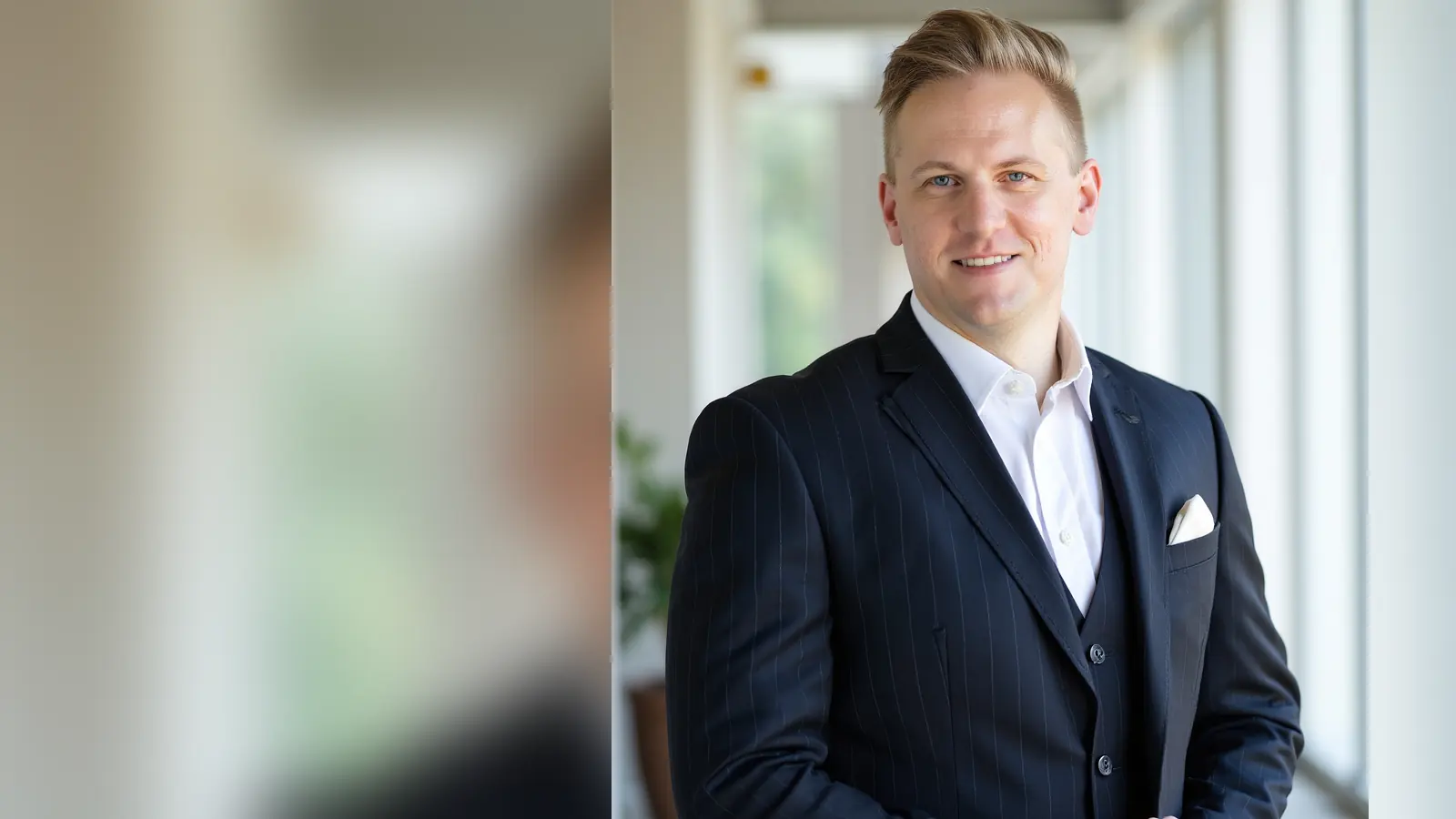
Denver-based Colorado telehealth
Individual counseling for adults based in Denver, Colorado, offered by telehealth statewide for Colorado residents.
Written by Andrew Qualy, MSW, LICSW, LCSW · Reviewed September 2026
Session format
Telehealth while you are physically located in Colorado. In-person sessions are not offered at this time.
Business address
1500 N Grant St, Ste R, Denver, CO 80203.
Licensed care
Colorado LCSW CSW.09930255.
01
Forge Resilience Counseling is a solo practice offering affirming, culturally sensitive, evidence-based, trauma-informed, collaborative counseling for adults age 18 and older. I am Andrew Qualy, a Licensed Independent Clinical Social Worker in Minnesota and a Licensed Clinical Social Worker in Colorado. My Colorado license is CSW.09930255 through the Colorado Department of Regulatory Agencies, State Board of Social Work Examiners. I offer counseling in Denver, Colorado, for people who are feeling anxious, overwhelmed, discouraged, disconnected, exhausted, stuck, or uncertain about what comes next.
You may be carrying work pressure, relationship challenges, grief, a difficult transition, sleep challenges, trauma-related reactions, or questions about identity and purpose. You may be functioning outwardly while privately feeling strained. You do not need to arrive with a diagnosis or a perfectly organized explanation. Counseling can begin with a clear description of what has been difficult, what you hope to understand, and what kind of support might fit your life. The focus is collaborative rather than one-size-fits-all, and we can talk about your priorities in everyday language.
As a Denver counseling therapist, I work with adults from varied backgrounds, including veterans and military community members, first responders and public safety professionals, healthcare professionals, men seeking mental health support, and adults navigating broader personal concerns. I am a U. S. Army combat veteran of the Iraq War, completed the University of St. Thomas Area of Emphasis in Military Practice program, and have specialized training in Cognitive Processing Therapy for trauma and PTSD.
That background informs how I listen, but it does not define your story or lead me to assume that your experience matches anyone else's.
02
The business address for Forge Resilience Counseling is 1500 N Grant St, Ste R, Denver, CO 80203, United States. It is a business and mailing address rather than a place where sessions are held, because counseling is currently offered by telehealth only. Denver neighborhoods such as Capitol Hill and Five Points are broader geographic context for the city, not separate practice locations. I do not represent neighborhood locations, additional offices, or in-person services anywhere in Colorado.
If an office setting is important to you, that is worth raising early so we can talk about whether telehealth will work or whether a referral would serve you better.
Telehealth is available statewide for Colorado residents. For a telehealth session, you need to be physically located in Colorado at the time of the session and have a private, appropriate place where you can speak. Location matters because counseling through telehealth is connected to the state where you are physically present, and my Colorado license governs Colorado services. If you travel outside Colorado, please let me know before a session so we can discuss whether the planned format is permitted and workable. I do not claim in-person counseling at this time.
Whether telehealth is workable can depend on privacy, schedule, technology, comfort, accessibility, and the kind of setting in which you can speak openly. We can discuss those practical details as part of considering fit. The service format may also change over time if your circumstances change, but any change should be discussed rather than assumed. Reaching out with a question about Colorado eligibility does not commit you to a course of counseling.
Areas of support
Support for active-duty service members and veterans navigating civilian transition, identity, trauma exposure, relationships, sleep, grief, moral pain, and the demands of chronic readiness.
View serviceTrauma-informed counseling for law enforcement, firefighters, EMS personnel, and dispatchers navigating cumulative stress, shift work, sleep challenges, family strain, burnout, and the difficulty of lowering vigilance off duty.
View serviceCounseling for frontline healthcare professionals carrying compassion fatigue, moral distress, workplace loss, burnout, anxiety, grief, boundaries, and role strain at work and at home.
View serviceSupport for men navigating emotional shutdown, anger, anxiety, depression, relationship strain, identity, purpose, fatherhood, work stress, grief, and the stigma around asking for help.
View serviceTrauma and PTSD counseling for adults navigating intrusive memories, avoidance, guilt, disrupted trust, sleep problems, emotional numbing, and feeling constantly on guard.
View serviceSupport for persistent worry, overthinking, physical tension, sleep difficulty, avoidance, irritability, decision fatigue, and panic-like experiences connected to work, service, relationships, or change.
View serviceSupport for adults facing low mood, loss of interest, isolation, shame, low energy, disrupted routines, irritability, hopeless thoughts, or difficulty reconnecting with meaning.
View serviceSupport for adults navigating chronic work stress, exhaustion, cynicism, reduced capacity, boundaries, shift work, caregiving strain, and changes in occupational identity.
View serviceCompassionate counseling for adults navigating death and non-death losses, identity changes, divorce recovery, career loss, service-related loss, and the many forms of grief that do not follow a set timeline.
View serviceOne-to-one counseling for adults 18 and older who want support with anxiety, depression, trauma, grief, stress, relationships, adjustment, divorce recovery, family concerns, self-understanding, coping, or meaningful change.
View serviceBusiness address
Forge Resilience Counseling is registered at the address below. Sessions are held by telehealth, so this is a business and mailing address rather than a place to visit for an appointment.
03
I provide individual counseling for adults who want space to work through concerns that may include anxiety, depression, trauma and PTSD-related experiences, stress, burnout, grief and loss, relationship challenges, family issues, divorce recovery, occupational stress, sleep challenges, identity and purpose, adjustment concerns, and substance-use concerns. These descriptions are starting points, not diagnoses. You do not have to choose the perfect category before beginning a conversation, and several concerns may overlap in ways that are important to understand together.
My work includes veterans and military community members, first responders and public safety professionals, healthcare professionals, and men seeking mental health support. People in these communities may be balancing service-related experiences, cumulative exposure to difficult events, shift work, professional responsibility, moral pain, changes in identity, or pressure to keep going. At the same time, I work with adults who do not identify with one of these populations. What matters is understanding your perspective and considering support that is relevant to your goals, values, relationships, and daily circumstances.
Counseling may draw from Cognitive Behavioral Therapy, Dialectical Behavior Therapy, Acceptance and Commitment Therapy, Cognitive Processing Therapy, and Mindfulness-Based Therapy. I explain these approaches in clear language and consider how they might fit the concern you want to address. A structured exercise may be useful for one person and feel mismatched for another. I will invite your feedback about pace and direction rather than treating a modality as a fixed script or promising a particular result.
04
Starting counseling can be as simple as sharing what has been weighing on you and asking whether the service may fit. You do not need a polished story, a formal label, or certainty about what you want to discuss. An initial conversation can include your reasons for reaching out, what daily life has been like, your goals, previous support if relevant, and questions about working together. We can also discuss whether telehealth from Colorado is workable for your circumstances.
In an initial session, I will listen for your priorities and explain how I work. We may talk about sleep, relationships, work, emotions, physical responses, habits, safety, sources of strength, and changes you would like to understand. If trauma-related concerns are part of the picture, we can discuss grounding and pacing before considering more focused work. You decide what to share and when. Counseling is a collaborative process, so questions about fit, privacy, communication, and the direction of sessions are welcome.
Ongoing sessions may include reflection, practical skill practice, education, noticing patterns, values-based choices, communication practice, mindfulness, or a more structured approach when appropriate. Some adults begin weekly or every-other-week sessions, but there is no universal schedule or fixed timeline that can honestly predict what counseling will be like for you. Frequency and duration depend on your goals, concerns, preferences, circumstances, and response to the work. We can revisit the plan directly if the pace, focus, or approach does not feel useful.
05
For a virtual session, choose a private location where you can speak without being overheard. Consider who may enter the room, whether notifications are muted, whether headphones would help, and what you will do if the connection drops. A private room at home may work for some people; others may need to plan around roommates, family, work, or shared spaces. It is also important to be physically located in Colorado during a Colorado telehealth session. We can discuss technology and privacy questions before relying on virtual counseling as your format.
The practice's business address is 1500 N Grant St, Ste R, Denver, CO 80203. I do not make claims about commute times, parking, building access beyond the verified address, or additional neighborhood offices. If you have an accessibility or scheduling question, you can raise it when you reach out so the practical details can be considered accurately. Local context can help identify the city setting, but it should not create an impression that counseling is offered from multiple Denver locations.
Deciding to talk with someone takes courage. Many people wonder whether what they are experiencing is serious enough for therapy, but you do not have to be in crisis to deserve support. Functioning at work, caring for family, or continuing to meet responsibilities does not cancel out your need for a place to reflect. Reaching out can be a thoughtful step toward understanding your experience, even when you are still unsure what you want counseling to accomplish.
06
A Denver counseling relationship may be a reasonable fit if you want a warm, direct, collaborative space and are comfortable exploring concerns at a pace we discuss together. It may also be useful to consider another therapist, medical professional, peer support, specialist program, or different level of care when that better matches your needs. If immediate safety concerns, severe inability to care for yourself, or needs beyond outpatient counseling are present, outpatient sessions may not be the right immediate response. In an emergency, call 911 or go to the nearest emergency room.
If you are experiencing a mental health crisis, please contact the 988 Suicide & Crisis Lifeline at 988. This counseling page is informational and is not a substitute for emergency support, diagnosis, or treatment. For non-emergency questions about whether Colorado telehealth may fit, you can start the conversation through the contact page. You can ask about the service format, your location during telehealth, the general focus of counseling, and what an initial session may involve.
Forge Resilience Counseling is based in Denver and offers Colorado telehealth statewide. That distinction is important: Denver is the practice's business address, while Colorado eligibility supports virtual sessions for residents who are physically in Colorado during the session. Whether you are considering counseling in Denver, CO, or telehealth from another part of Colorado, I will aim to give you clear information and leave room for your questions.
Public feedback
Forge Resilience Counseling does not copy individual client comments onto this website. Current public feedback, ratings, and review totals remain on the verified Google Business Profile, where context and updates stay with the original source.
Location and format
Yes, as a business address. The Denver address at 1500 N Grant St, Ste R, Denver, CO 80203, is where the practice is registered rather than a session location. Neighborhood names such as Capitol Hill or Five Points refer only to broader Denver context and do not indicate separate offices. In-person counseling is not represented as available anywhere in Colorado.
Telehealth is available statewide for Colorado residents. You must be physically located in Colorado during the session and have a private, appropriate place to meet. If you plan to travel outside Colorado, discuss that before a session because the state where you are located can affect whether telehealth is permitted and workable.
Adults may bring concerns such as anxiety, depression, trauma-related experiences, stress, burnout, grief, relationship challenges, family issues, divorce recovery, sleep challenges, identity and purpose, adjustment concerns, occupational stress, or substance-use concerns. These are not diagnoses, and you do not need to select one category before asking whether counseling may fit.
An initial session can include what brought you in, what you hope to understand, how daily life and relationships are affected, and what kind of support feels appropriate. Andrew can explain his approach, discuss Colorado telehealth, answer questions about privacy and fit, and collaborate on a starting direction.
Choose a private place where you can speak without being overheard, consider headphones and notifications, and plan for interruptions or a dropped connection. You should be physically in Colorado during the session. Shared homes, workspaces, travel, and technology can affect privacy, so discuss practical concerns before relying on telehealth as your counseling format.
No. You can reach out because you feel anxious, overwhelmed, disconnected, exhausted, stuck, or uncertain, or because a life transition, relationship, work demand, grief experience, or trauma-related concern is affecting you. You do not have to wait for a crisis or arrive with a diagnosis to ask whether counseling may be a useful fit.
A grounded next step
A first conversation can clarify location eligibility, session format, fit, and what you are looking for before you decide on next steps.